5 Ways to Support Communication Without Asking Your Child to “Use Their Words”
Many parents have said it at some point: “Use your words.” It’s a phrase often meant to encourage communication, but for many children—especially those with communication differences—it can unintentionally add pressure in a moment that already feels difficult.
Children communicate in many ways long before spoken language develops. When we expand our understanding of what communication looks like, we can better support our children in ways that feel safe, responsive, and encouraging.
If you’ve ever wondered how to support communication without constantly prompting your child to talk, these strategies can help you recognize and respond to the communication that is already happening.
Why “Use Your Words” Can Increase Pressure
When a child is overwhelmed, dysregulated, or unsure how to express themselves, being asked to “use your words” can feel like a demand they are not yet able to meet.
In those moments, communication challenges may be connected to:
Emotional regulation
Sensory overload
Limited language access in the moment
Difficulty organizing thoughts into words
Instead of encouraging communication, the phrase can sometimes lead to frustration or shutdown. Shifting our approach to support communication without immediate verbal expectations can make a big difference.
What Counts as Communication?
Communication is much broader than spoken language. Children communicate every day through many different behaviors and signals.
Examples of communication include:
Eye gaze or looking toward something they want
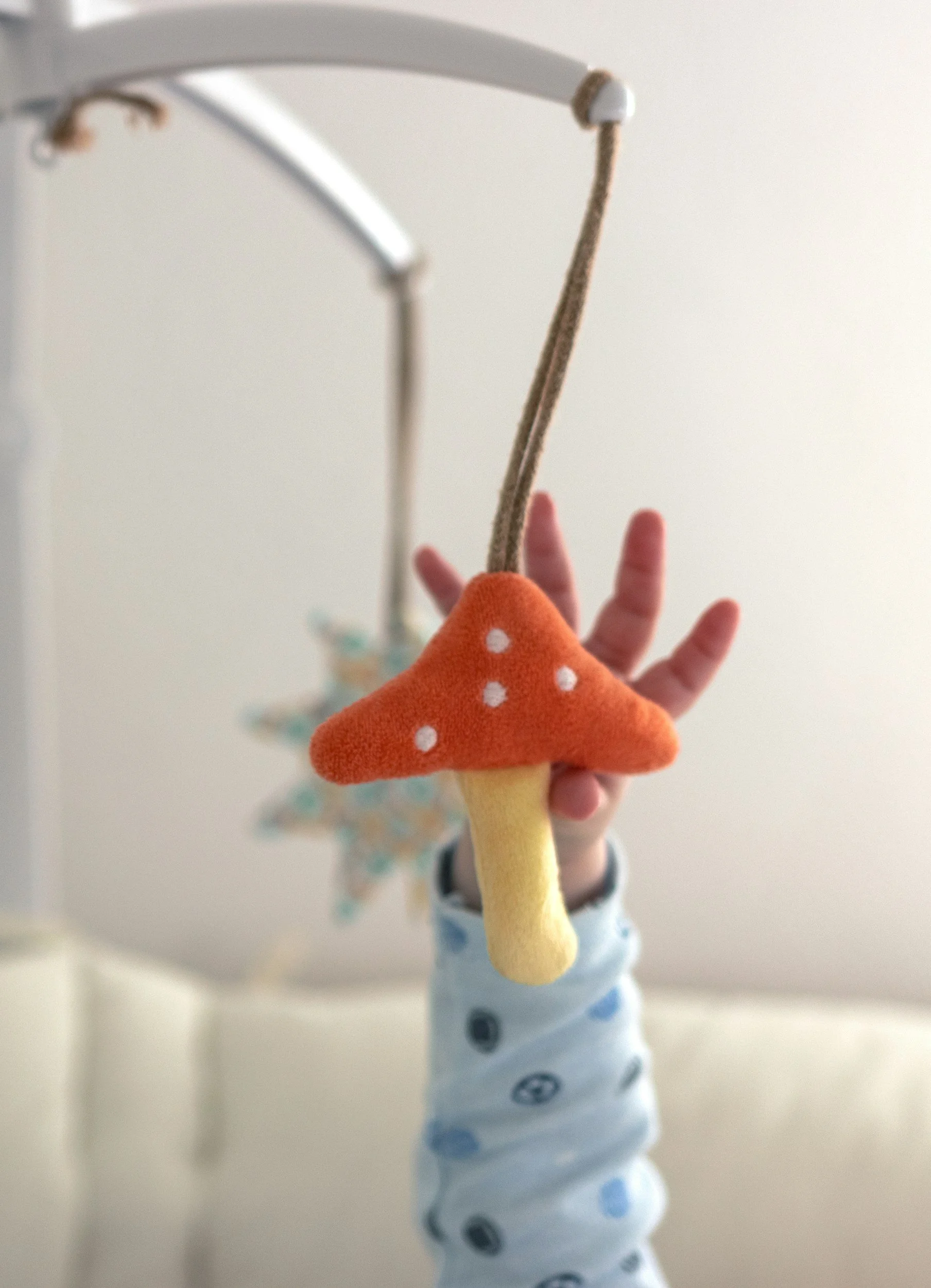
Gestures like pointing, reaching, or bringing objects
Body movement or proximity
Facial expressions
Sounds, vocalizations, or scripts
Moving toward or away from something
When adults recognize these behaviors as communication attempts, children learn that their efforts are meaningful and understood.
Acknowledging these early forms of communication often encourages children to keep engaging and connecting.
5 Ways to Support Communication Without Words
1. Notice and Respond to What Your Child Is Already Doing
Instead of focusing on what your child isn’t saying, start by noticing what they are doing.
For example, if your child brings you a toy, looks toward a snack, or makes a sound, respond as if they are communicating with you.
You might say:
“You brought me the truck!”
“You’re looking at the crackers.”
“You want more bubbles!”
This shows your child that their attempts to communicate are understood and valued.
2. Model Language Without Asking for a Response
One of the most powerful speech therapy strategies for parents is modeling language without expecting your child to repeat it.
Instead of prompting your child to say something, simply say it yourself.
For example:
During play: “The car goes fast!”
During snack: “More apple.”
During bubbles: “Pop! Bubble popped!”
Modeling provides language input without adding pressure.
3. Follow Your Child’s Lead
Children are most likely to communicate when they are engaged and interested.
Instead of directing activities, try joining your child in what they are already doing.
You might:
Sit nearby and imitate their play
Comment on what they are doing
Add small ideas that build on their interest
Following your child’s lead turns everyday interactions into meaningful communication opportunities.
4. Use Everyday Routines as Communication Opportunities
Daily routines naturally provide opportunities to model language and respond to communication attempts.
Think about moments like:
Getting dressed
Bath time
Snack time
Car rides
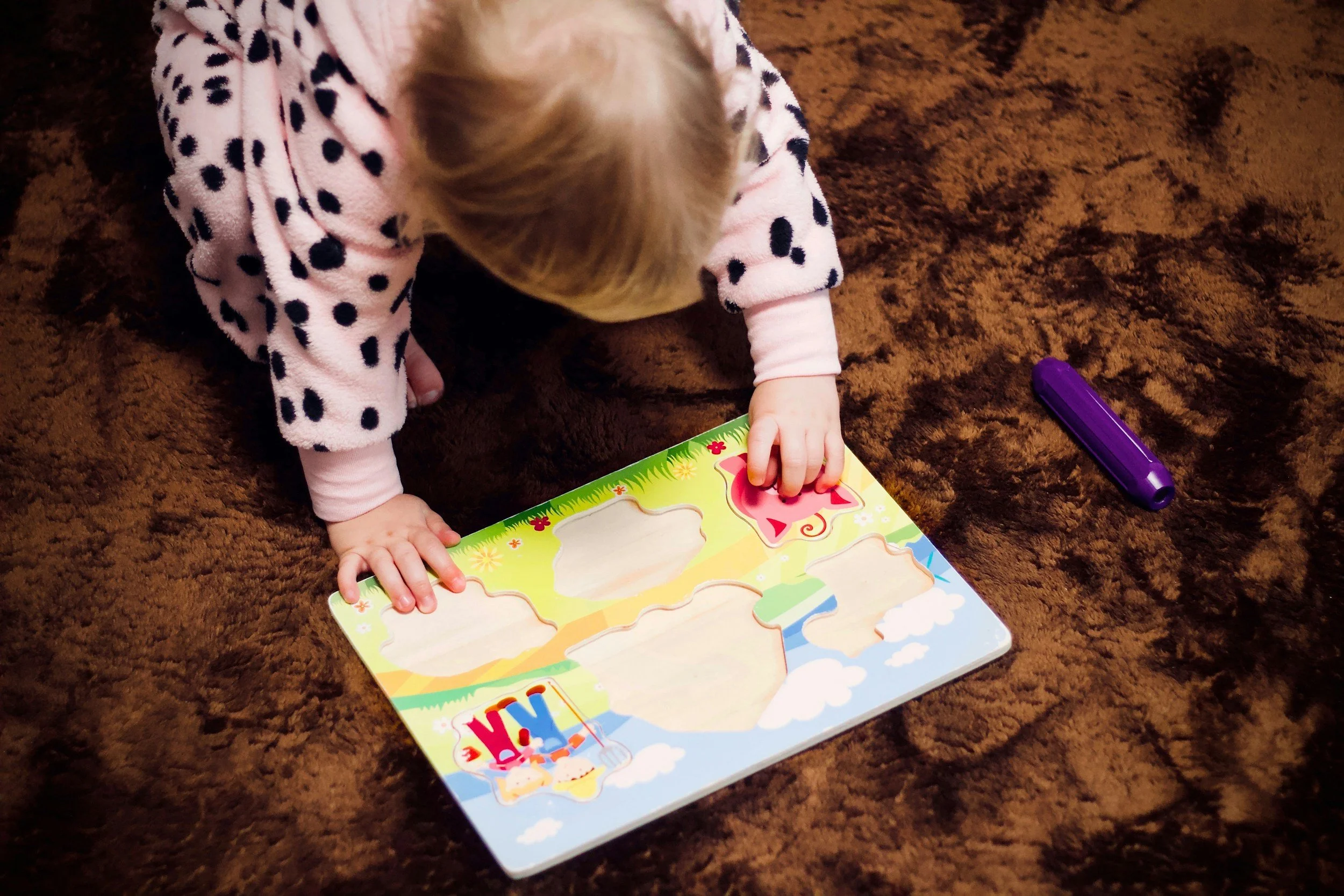
Playtime on the floor
You might narrate what is happening:
“Shoes on!”
“Water splash!”
“Open the door.”
These repeated routines help children hear and experience language in meaningful contexts.
5. Give Time and Space for Communication
Sometimes the most supportive thing we can do is simply pause.
Children often need extra time to process language, organize their thoughts, or decide how they want to communicate.
After modeling or commenting, try waiting a moment before speaking again.
That pause creates space for your child to:
Gesture
Look toward something
Make a sound
Use a phrase or script
Even small responses are meaningful communication.
Why This Supports Long-Term Language Development
When children feel safe and understood, they are more likely to continue communicating.
Pressure-free interactions help children:
Build confidence in their communication attempts
Learn that communication leads to connection
Experience language in meaningful situations
Develop stronger relationships with communication partners
Over time, these supportive interactions create the foundation for language development and more complex communication.

Key Takeaways
Communication begins long before spoken words.
Gestures, movement, sounds, and scripts are all meaningful communication attempts.
Modeling and responding to communication attempts is more supportive than prompting.
Everyday routines offer natural opportunities to build communication.
Children communicate more when they feel safe, understood, and connected.
Looking for More Support?
Every child communicates differently, and finding strategies that work for your child can make everyday interactions feel more connected and less stressful.
If you're looking for guidance tailored to your child’s communication style, you can schedule a consultation to learn more about how speech therapy can support your family.